
In recent years, the Mallorca property market has experienced a noticeable upward trajectory, driven by a combination of demand, economic stability, and increasing interest from foreign buyers. The average price per square meter for residential properties has risen significantly, reflecting the island’s allure as both a holiday destination and a permanent residence. Currently, prices can range from approximately €2,500 to over €5,000 per square meter, depending on the location and property type. Popular coastal areas like Palma, Alcúdia, and Santa Ponsa often command the highest prices due to their proximity to the sea and vibrant local amenities.
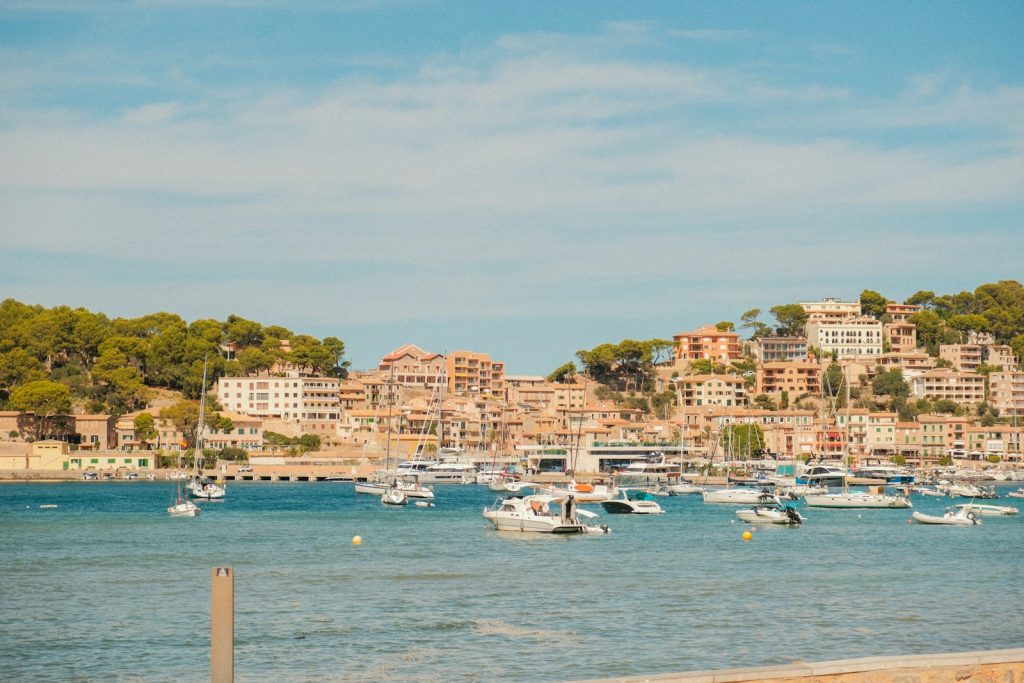
It’s essential to understand the dynamics of supply and demand that influence these trends. The limited availability of land for new developments, combined with a growing population and tourism influx, has intensified competition for desirable properties. The allure of Mallorca’s lifestyle—its climate, natural beauty, and cultural offerings—means that demand is likely to remain robust, even as interest from international buyers continues to rise. In fact, properties that are well-located and well-maintained can see significant appreciation in value, particularly those that cater to the luxury market.
Another trend has been the increasing popularity of eco-friendly and sustainable properties, reflecting broader global concerns about climate and environmental impact. Buyers are not only looking for beautiful homes but also for those that align with their values regarding sustainability. This shift is prompting developers to incorporate green technologies and sustainable practices into new constructions, potentially increasing their market appeal
When considering an investment in Mallorca property, several key factors come into play that can significantly influence your decision-making process. Understanding these elements is crucial for both novice and seasoned investors aiming to maximize their returns while minimizing risks.
One of the primary factors is the local economy and its stability. Mallorca has a robust economy largely driven by tourism, which accounts for a significant portion of its GDP. The island attracts millions of visitors each year, creating a strong demand for short-term rentals. This tourism boom can translate into higher property values and rental yields, especially in well-trafficked areas. Investors should keep an eye on economic indicators, such as employment rates and tourism statistics, which can provide insights into future demand for properties.
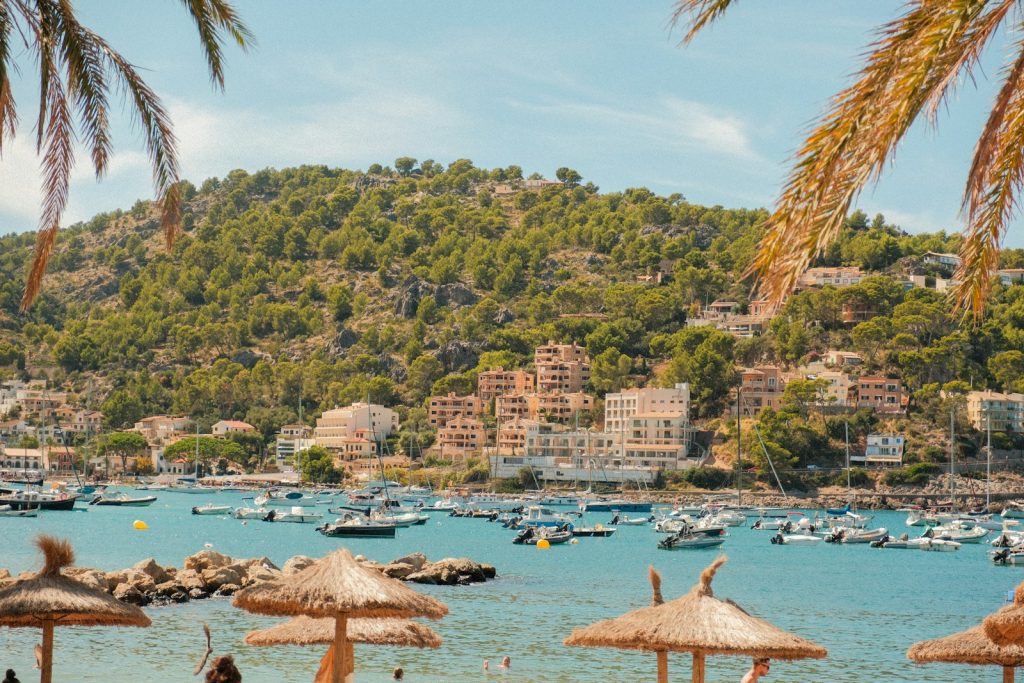
Another vital consideration is the regulatory environment surrounding property ownership and rental. The Balearic government has implemented various laws aimed at regulating short-term rentals, which can impact potential returns. For instance, obtaining a tourist license is now a prerequisite for many rental properties, and these licenses can be limited. Understanding the legal landscape is essential; failing to comply can lead to penalties or loss of income potential. Investors should conduct thorough due diligence and consult with legal experts to navigate these regulations effectively.
Location is paramount in real estate, and Mallorca is no exception. Areas such as Palma, which blends urban living with coastal charm, often see higher appreciation rates compared to more rural locations. Proximity to amenities, schools, and healthcare facilities can also
When it comes to choosing the right area for property investment in Mallorca, the island’s diverse neighborhoods each offer unique opportunities and character. Investors often gravitate towards regions that not only promise potential returns but also cater to lifestyle preferences. Coastal towns, historical villages, and thriving urban centers each present distinct advantages that can influence both short-term and long-term investment strategies.
Palma, the island’s capital, is arguably the most sought-after destination for property buyers. With its vibrant culture, rich history, and bustling amenities, Palma attracts a mix of locals and expatriates alike. Properties here, particularly those in the Old Town or along the waterfront, can command premium prices. The rental market is strong, fueled by a steady influx of tourists and a growing population seeking urban living. As an investor, targeting properties in Palma can yield attractive rental yields, often ranging from 5% to 7%, depending on the location and property type.
Santa Ponsa and Puerto Andratx are other popular coastal areas that have garnered significant interest from foreign buyers. Santa Ponsa, with its family-friendly beaches and proximity to golf courses, appeals to both holidaymakers and those looking for permanent homes. Meanwhile, Puerto Andratx, known for its luxury marina and stunning sea views, is a hotspot for high-net-worth individuals. The competitive nature of these markets means that while initial investment might be higher, the potential for appreciation and rental income can be substantial.
For foreign buyers looking to invest in Mallorca property, navigating the legal landscape is crucial. Spain offers an attractive framework for property ownership, but there are specific regulations and requirements that vary depending on your nationality and the type of property you wish to purchase. Understanding these legal considerations can prevent potential pitfalls and ensure a smoother transaction process.
One of the first steps for foreign buyers is obtaining a Número de Identificación de Extranjero (NIE), a tax identification number essential for any property transaction in Spain. This number is required not only for the purchase itself but also for subsequent tax obligations. Without it, the process can stall, creating unnecessary delays. It’s advisable to initiate this process early, as obtaining the NIE can take time, especially in areas with high foreign demand.
When it comes to property ownership, foreign buyers can generally purchase real estate in Spain without restrictions. However, certain areas, particularly those that are designated as protected or have specific zoning laws, may have additional hurdles. For instance, acquiring land in some coastal regions may require special permits to ensure compliance with local environmental regulations. Always consult with a legal expert familiar with the specific area you’re interested in to avoid any surprises that could affect your investment.
Another important aspect to consider is the tax implications of buying property in Mallorca. Foreign investors are subject to various taxes, including property tax (IBI), which varies depending on the municipality, and income tax on rental income if the property is
The rental market in Mallorca has shown remarkable resilience, particularly in the face of evolving travel patterns and shifting buyer preferences. With the island’s appeal as a prime holiday destination, the demand for rental properties—both short-term and long-term—remains robust. Investors can expect varying rental yields depending on location, property type, and market dynamics, making it essential to analyze these factors closely before making a commitment.
Short-term rentals have witnessed a surge in popularity, especially in tourist-heavy areas such as Palma, Alcúdia, and Magaluf. The average rental yield for well-positioned properties in these zones can range from 5% to 8%, depending on seasonal demand and occupancy rates. For instance, properties near the beach or with easy access to local attractions typically command higher nightly rates and are often booked solid during peak tourist seasons. This is critical for investors to recognize, as timing and location can significantly impact overall returns.
Long-term rentals also offer a stable income stream, particularly as more people consider relocating to Mallorca for its lifestyle, climate, and employment opportunities. Areas like Palma and Santa Ponsa provide a solid rental market for professionals and families seeking quality housing. Here, rental yields can hover around 4% to 6%, which, while lower than short-term rentals, represent a more stable and predictable income source. Long-term tenants often lead to less wear and tear on properties and lower turnover costs, making this a favorable strategy for many investors
When navigating the complexities of investing in Mallorca property, potential buyers often have a myriad of questions. Addressing these common queries can provide clarity and confidence in making informed decisions. Here are some of the most frequently asked questions regarding property investment on the island.