
Premium properties in Spain are distinguished by several key characteristics that not only enhance their appeal but also significantly influence their investment potential. These properties often feature superior construction quality, which means they are built using high-end materials and state-of-the-art technology. This commitment to quality is not just aesthetic; it also translates into long-term durability and lower maintenance costs, ultimately making these homes more attractive to discerning buyers.
Another hallmark of luxury properties is their unique architectural design. Many premium homes showcase innovative designs that reflect the latest trends while also respecting traditional Spanish aesthetics. This blend of modern and classic elements often appeals to both local and international buyers, as it offers a sense of exclusivity and charm. Properties located in historically rich areas, such as Marbella or Barcelona, benefit from architectural heritage, which can drive demand and enhance resale value.
Space and layout are critical factors as well. High-end properties typically offer expansive living areas, multiple bedrooms and bathrooms, and often include additional features such as home offices, gyms, and entertainment spaces. Outdoor areas, such as private gardens, terraces, and pools, are also essential, providing a luxurious lifestyle that reflects the Mediterranean climate. Buyers are increasingly looking for properties that provide both comfort and privacy, which is why gated communities or villas in secluded areas are particularly sought after.
Furthermore, premium properties often come equipped with advanced technology and smart home features. From energy-efficient systems to integrated security measures, these technological advancements not only enhance
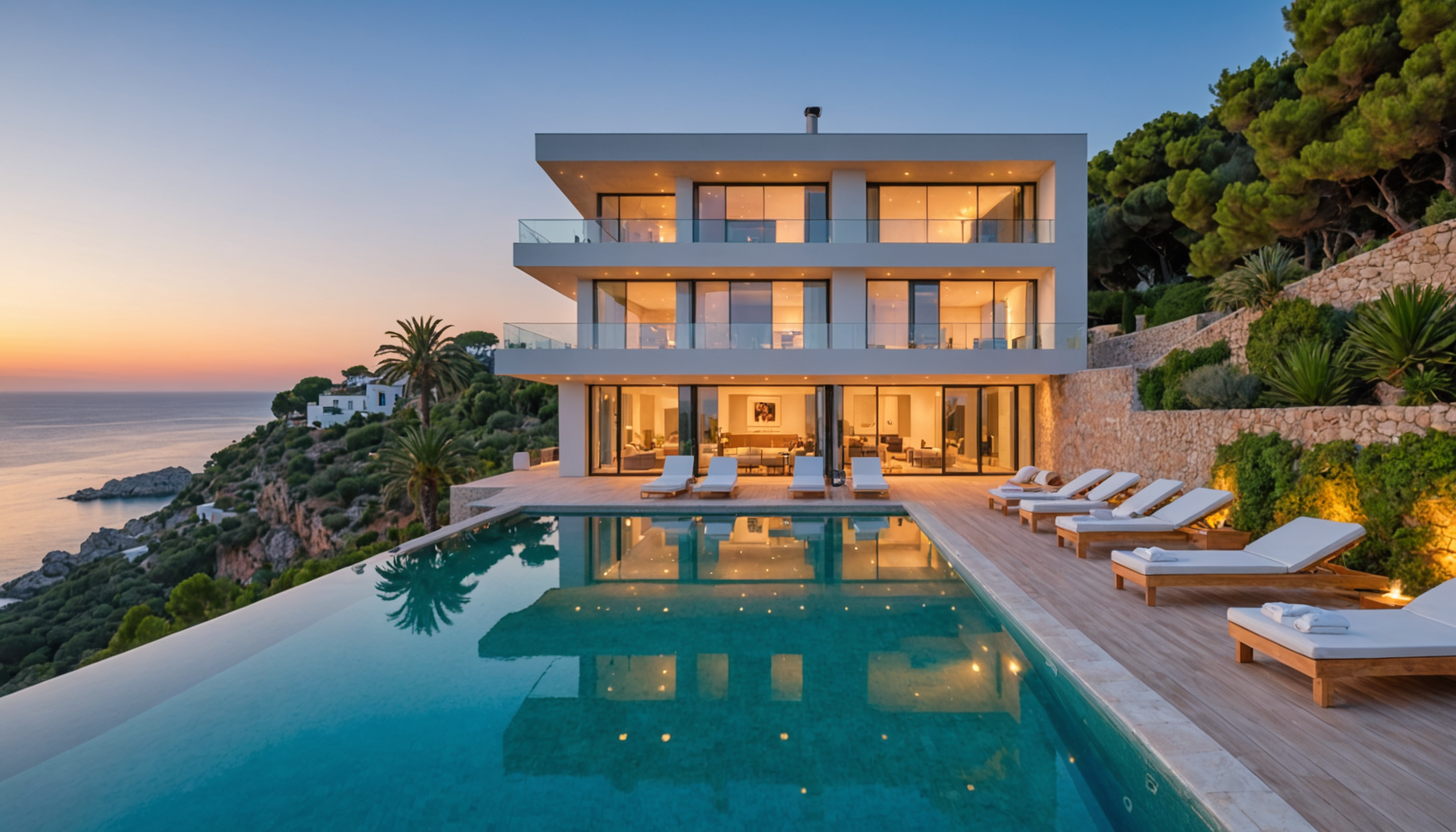
Location is perhaps the most critical factor influencing the value of luxury property in Spain. The geographical positioning of a property can dictate not only its market price but also its potential for long-term appreciation. Buyers are increasingly discerning about where they invest, often prioritizing areas that offer both lifestyle benefits and economic stability.
Coastal regions like the Costa del Sol or the Balearic Islands consistently attract affluent buyers due to their stunning landscapes, pleasant climate, and proximity to upscale amenities. For instance, properties in Marbella or Ibiza not only provide direct access to beautiful beaches but also a vibrant social scene, luxury shopping, and fine dining. This combination makes them highly desirable for both personal use and rental investments, leading to strong demand and favorable rental yields.
In contrast, urban areas like Madrid and Barcelona have their own allure. The cultural richness, historical significance, and robust infrastructure in these cities create a different kind of demand. Luxury properties in central districts, such as Madrid’s Salamanca or Barcelona’s Eixample, benefit from proximity to cultural landmarks, business districts, and international schools. This location-centric advantage often translates into a higher resale value and increased liquidity, making these investments particularly attractive for those looking to capitalize on Spain’s growing urbanization trends.
Interestingly, the importance of location extends beyond mere aesthetics or lifestyle. Economic indicators, such as local employment rates, tourism statistics, and infrastructure developments, play a significant role in determining property values. For instance,
When considering architectural styles that attract investors in the luxury property market in Spain, it’s essential to recognize how these elements resonate with both aesthetic appeal and investment potential. Spanish architecture is renowned for its diversity, ranging from traditional Andalusian cortijos with their rustic charm to sleek, modern villas that embody cutting-edge design. This variety not only meets the preferences of a broad range of buyers but also enhances the investment appeal of each property type.
One standout style is the Mediterranean design, characterized by whitewashed walls, terracotta roofs, and expansive outdoor spaces. This style captures the essence of relaxed Spanish living and is particularly prevalent in coastal areas. Buyers are drawn to these properties for their seamless indoor-outdoor living experience, which is ideal for enjoying Spain’s warm climate. Investors often find that homes with these features command higher rental yields during peak tourist seasons, making them lucrative for short-term rental opportunities.
In contrast, contemporary architectures, such as sleek, minimalist designs, are increasingly popular among international buyers who look for modernity and innovation. Properties featuring large glass facades, open-plan layouts, and eco-friendly materials not only reflect a modern lifestyle but also cater to a growing demand for energy efficiency. These homes often appeal to tech-savvy investors who value sustainability and may offer tax advantages due to their energy-efficient technologies.
Moreover, traditional styles like the Moorish-inspired designs with intricate tile work and decorative arches are not merely aesthetic choices; they also evoke
Amenities play a pivotal role in defining high-end living, particularly in the luxury property market in Spain. Buyers are not just looking for a home; they seek a lifestyle that complements their aspirations. High-end amenities can greatly enhance the desirability of a property, translating into higher property values and robust rental yields. Whether it’s a sumptuous spa, a private cinema, or a well-equipped gym, these features reflect a commitment to a luxurious lifestyle that many affluent buyers crave.
Outdoor amenities are especially significant in Spanish properties due to the country’s favorable climate. Properties that feature infinity pools, landscaped gardens, and outdoor kitchens offer a seamless blend of indoor and outdoor living, catering to both relaxation and entertainment. For example, a villa with a stunning sea view, an infinity pool, and a shaded terrace can significantly enhance its marketability, appealing to both buyers looking for a primary residence and those interested in vacation rentals. These outdoor spaces allow homeowners to enjoy Spain’s Mediterranean lifestyle, making them more attractive to potential investors.
In addition to outdoor features, smart home technologies are becoming increasingly popular in luxury properties. Many high-end homes now include automated lighting, climate control, and advanced security systems that can be controlled via smartphone apps. This not only adds convenience but also appeals to the growing demographic of tech-savvy buyers who prioritize modern conveniences. The integration of sustainable technologies, such as solar panels and energy-efficient appliances, is also a selling point, as many buyers are now considering the
The luxury property market in Spain is currently influenced by a number of significant trends, each reflecting broader economic shifts and changing buyer preferences. One of the most notable trends is the increasing demand for sustainable living. As environmental awareness grows among consumers, properties that embrace eco-friendly features are gaining traction. Buyers are now more inclined to invest in homes that offer energy-efficient systems, sustainable materials, and smart home technologies that reduce their carbon footprint. This shift not only fulfills a lifestyle choice but also represents a long-term investment strategy, as properties with green certifications are likely to appreciate in value as sustainability becomes more crucial in the real estate market.
Another trend is the rise of remote work, which has reshaped how people view their living spaces. With many professionals now working from home, there is a heightened demand for properties that offer dedicated office spaces and flexible layouts. This has led to a surge in interest for homes in quieter, more suburban areas, even those previously considered secondary markets. For instance, regions in Andalusia or Valencia, which may have been overshadowed by major cities like Madrid and Barcelona, are now seeing an influx of buyers looking for larger homes with good connectivity and amenities while enjoying a more relaxed lifestyle.
The luxury rental market is also experiencing growth, fueled by an increase in short-term rentals. Areas that attract tourists, such as the Costa Brava or the Balearic Islands, are particularly appealing for investors looking to capitalize on vacation rental income. Properties that combine luxury
Inquiries about luxury property in Spain often lead to common questions that prospective buyers and investors have regarding the intricacies of purchasing and owning high-end real estate. Understanding these questions can provide clarity and assist in making informed decisions in this competitive market.
One frequent concern is the legal framework surrounding property ownership. Foreign buyers may wonder about the necessary documentation and the process for purchasing real estate in Spain, especially regarding legal residency and taxation implications. It’s essential to collaborate with a knowledgeable real estate agent and a legal advisor familiar with Spanish property law, as they can guide you through the intricacies of the transaction process, including notary fees, property registration, and the implications of the Non-Resident Income Tax.
Another vital aspect is the impact of location on property value. Many buyers ask how specific areas influence appreciation rates and rental yields. It’s crucial to research local market trends and demographic shifts. For instance, while properties in well-established areas like Marbella may offer stability, up-and-coming regions could provide higher short-term returns but come with added risks. Understanding the nuances of regional demand drivers, such as tourism patterns and infrastructure developments, can be the difference between a wise investment and a financial burden.
Buyers also express concerns over maintenance costs associated with luxury properties. Given the upscale features and amenities that define high-end living, ongoing expenses can accumulate quickly. It’s important to account for not just regular maintenance but also potential renovations or upgrades that may be necessary to keep