
When considering the best places to buy holiday homes in Spain, it’s essential to focus on regions that not only promise stunning landscapes and vibrant culture but also show robust market dynamics. The Costa del Sol, for instance, consistently attracts buyers with its beautiful beaches and year-round sunshine. Towns like Marbella and Estepona are particularly popular due to their established expatriate communities and strong rental demand, making them appealing for both personal use and investment. Prices for holiday property in Spain along this coast can range from €200,000 for a modest apartment to several million for luxury villas, reflecting the area’s desirability and amenities.
Moving north, the Costa Brava offers a different charm with its rugged coastline and picturesque villages. Places like Cadaqués and Tossa de Mar are not just visually stunning; they also provide a unique blend of local culture and international appeal. Investors should note that while property prices here can be slightly lower than in the Costa del Sol, the potential for long-term appreciation remains strong as tourism continues to grow.
The Balearic Islands, particularly Mallorca, are also hotspots for holiday homes. The island’s blend of natural beauty, upscale dining, and vibrant nightlife attracts a diverse range of buyers, from families to retirees. The average price for a holiday property in Spain here can vary widely, with some areas seeing prices exceed €1 million for prime locations. However, the rental market is equally lucrative, often achieving high occupancy rates during the peak season.
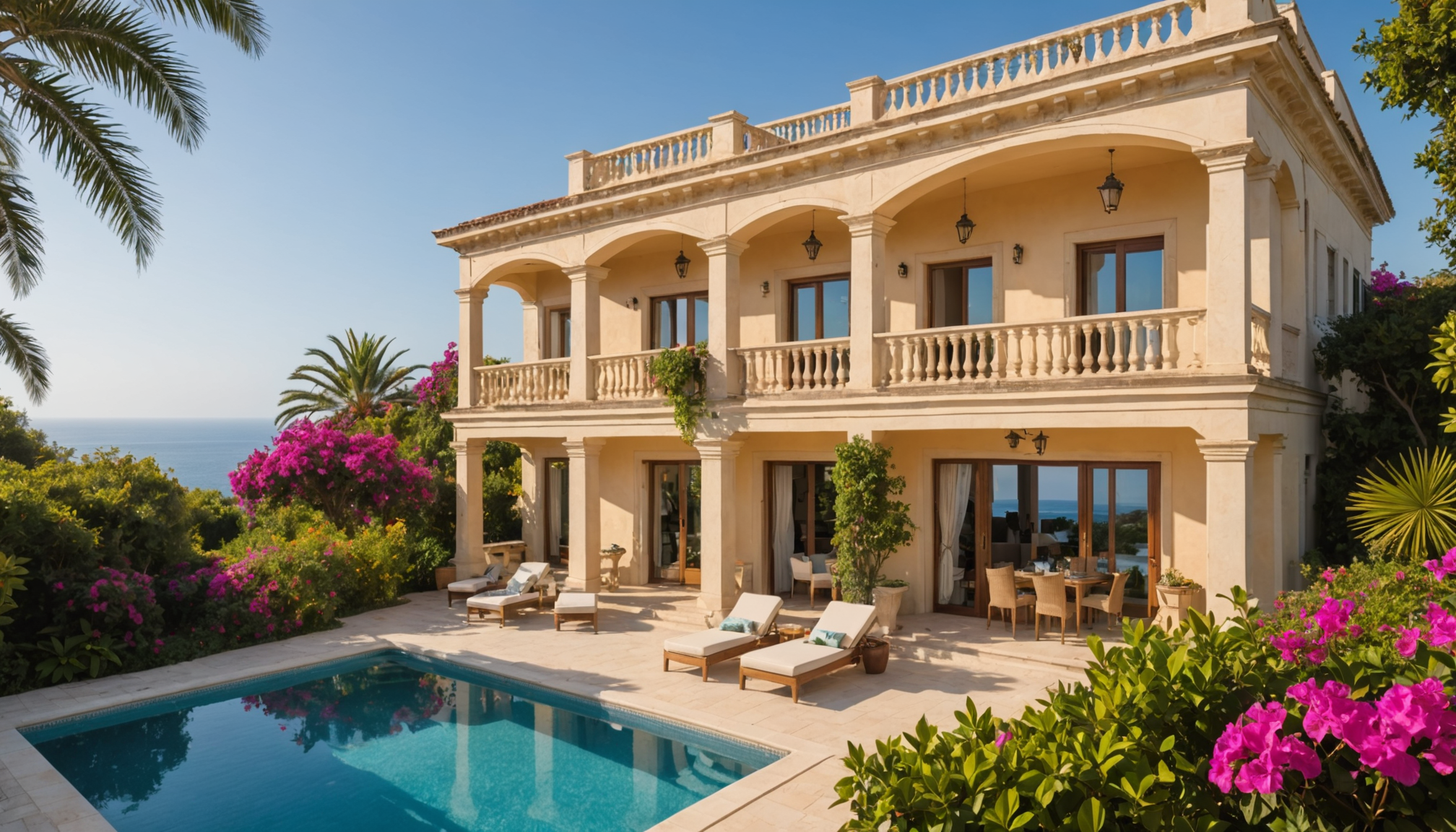
Examining the market trends in Spain’s most sought-after regions reveals a tapestry of opportunities and challenges for potential buyers. In the Costa del Sol, demand remains strong, fueled by a mix of domestic and international buyers seeking holiday property in Spain. The region has seen a steady increase in property prices, with a year-on-year growth of around 5-7%. This is driven by factors such as improved infrastructure, a robust tourism sector, and the appeal of a Mediterranean lifestyle. Areas like Fuengirola and Benalmádena are becoming increasingly popular, as they offer more affordable options while still providing access to the region’s amenities.
In contrast, the Costa Brava is experiencing a different dynamic. Although property prices here are generally lower, the market is beginning to show signs of recovery after a period of stagnation. The demand for holiday homes is rising as buyers look for a more tranquil escape from the hustle and bustle of busier tourist spots. Towns like Begur and Pals are witnessing a surge in interest, particularly among those seeking second homes that offer both investment potential and a peaceful lifestyle. With prices averaging between €300,000 and €600,000, there’s a sweet spot for buyers looking for value.
The Balearic Islands, particularly Mallorca, continue to be a beacon for high-end buyers. The market here is characterized by a limited supply of luxury properties, driving prices higher. In prime locations such as Palma and Port d
When it comes to coastal destinations, the Canary Islands stand out as a unique investment opportunity. Unlike the mainland, the weather here is consistently warm year-round, making it attractive for holiday property in Spain at any time. Areas like Tenerife and Gran Canaria offer a diverse range of properties, from beachfront apartments to luxury villas. The average price for a holiday home in these islands varies significantly, with options starting around €150,000 for a smaller apartment to several million for upscale residences in sought-after locations. The islands benefit from a steady influx of international tourists, which keeps rental demand strong.
Another noteworthy region is the Costa Blanca, where towns like Alicante and Benidorm attract both local and foreign buyers. The Costa Blanca is particularly appealing for its affordability compared to other coastal areas. Investors can find properties in the range of €100,000 to €400,000, depending on proximity to the beach and amenities. The region is well-known for its family-friendly atmosphere and an extensive network of services catering to both residents and tourists. As the area continues to develop, with new infrastructure projects on the horizon, property values are expected to rise, making it an attractive option for long-term investment.
In the south, the Algarve of Spain’s mainland, often overshadowed by its Portuguese counterpart, is also gaining traction. This region is experiencing a renaissance, with buyers drawn to its stunning coastline and vibrant local culture. Coastal towns such as Almería and Mojácar offer
The allure of rural Spain lies in its breathtaking landscapes, rich history, and authentic way of life, making it a hidden gem for those seeking holiday property in Spain. Areas such as Andalusia, Castilla y León, and Galicia are increasingly capturing the interest of buyers looking for a retreat away from the crowded tourist hotspots. These regions not only offer lower property prices compared to coastal areas but also the potential for significant appreciation as urban dwellers seek more tranquil environments.
Andalusia, for instance, is renowned for its picturesque white-washed villages like Ronda and Mijas. Here, you can find charming stone houses and traditional fincas that evoke a sense of rustic elegance. Prices for these properties can start as low as €150,000, making them accessible for those looking to invest in a second home. The burgeoning trend of agritourism is also a key driver, as more visitors are drawn to the idea of experiencing rural life firsthand, which enhances the rental potential of these properties.
Moving north to Castilla y León, towns like Segovia and Ávila boast stunning historical architecture and picturesque landscapes. Investors can tap into a growing demand for heritage tourism, as travelers increasingly seek destinations that offer cultural depth and authenticity. Property prices in these areas are relatively low, with many homes available in the €100,000 to €300,000 range. The potential for restoration and renovation of historic properties not only preserves the cultural fabric of these towns but also serves
Understanding the legal landscape surrounding property ownership in Spain is crucial for anyone contemplating the purchase of holiday property in Spain. The process involves various regulations that can significantly impact your investment and long-term financial strategy. One of the first aspects to consider is the requirement for a Foreign Identity Number (NIE), which is essential for all non-resident buyers. Without this number, you will encounter difficulties when attempting to complete a property purchase, open a bank account, or handle any legal matters related to your investment.
Next, be aware of the different types of property ownership structures available in Spain. The most common is freehold ownership, which grants you full ownership rights, including the ability to sell, rent, or modify your property. However, there are also leasehold options and community ownership structures, particularly in apartment complexes. Understanding the implications of these structures can greatly affect your financial flexibility and investment potential.
Additionally, it’s essential to navigate the local zoning laws and urban planning regulations. Each municipality has its own rules regarding what can be built where, which can influence your property’s value and your ability to develop it in the future. For instance, areas designated as “urban” may allow for higher density construction, whereas “rural” zones are often subject to stricter regulations. Conducting thorough due diligence on these aspects can help avoid potential legal complications that might arise after the purchase.
Another critical factor involves property taxes and ongoing costs associated with ownership. Buyers
When diving into the financial considerations of purchasing a holiday property in Spain, it’s vital to recognize the various costs involved beyond the initial purchase price. Real estate acquisition in Spain can come with a range of additional expenses that can significantly impact your overall budget and return on investment. Typically, buyers should anticipate paying between 10% to 15% of the property price in associated costs, which include transfer tax, notary fees, and registration fees. For example, if you purchase a property for €300,000, you may need to set aside an additional €30,000 to €45,000 to cover these expenses.
Moreover, understanding the ongoing costs of property ownership is equally crucial. Property taxes, known as IBI (Impuesto sobre Bienes Inmuebles), vary by region but generally range from 0.4% to 1.1% of the property’s cadastral value. Additionally, community fees are common in apartment complexes and can add another layer of cost, often between €50 to €300 per month, depending on the services provided, such as maintenance, security, and amenities. These fees can significantly affect your cash flow, especially if you plan to rent out the property.
Insurance is another essential aspect to consider. Home insurance in Spain typically ranges from €200 to €600 annually, depending on the property’s value and location. It’s advisable to shop around for the best coverage that suits your needs, particularly if your holiday home
When contemplating the purchase of a holiday property in Spain, it’s natural to have questions about the process, costs, and potential hurdles. Here are some common inquiries that arise among buyers: